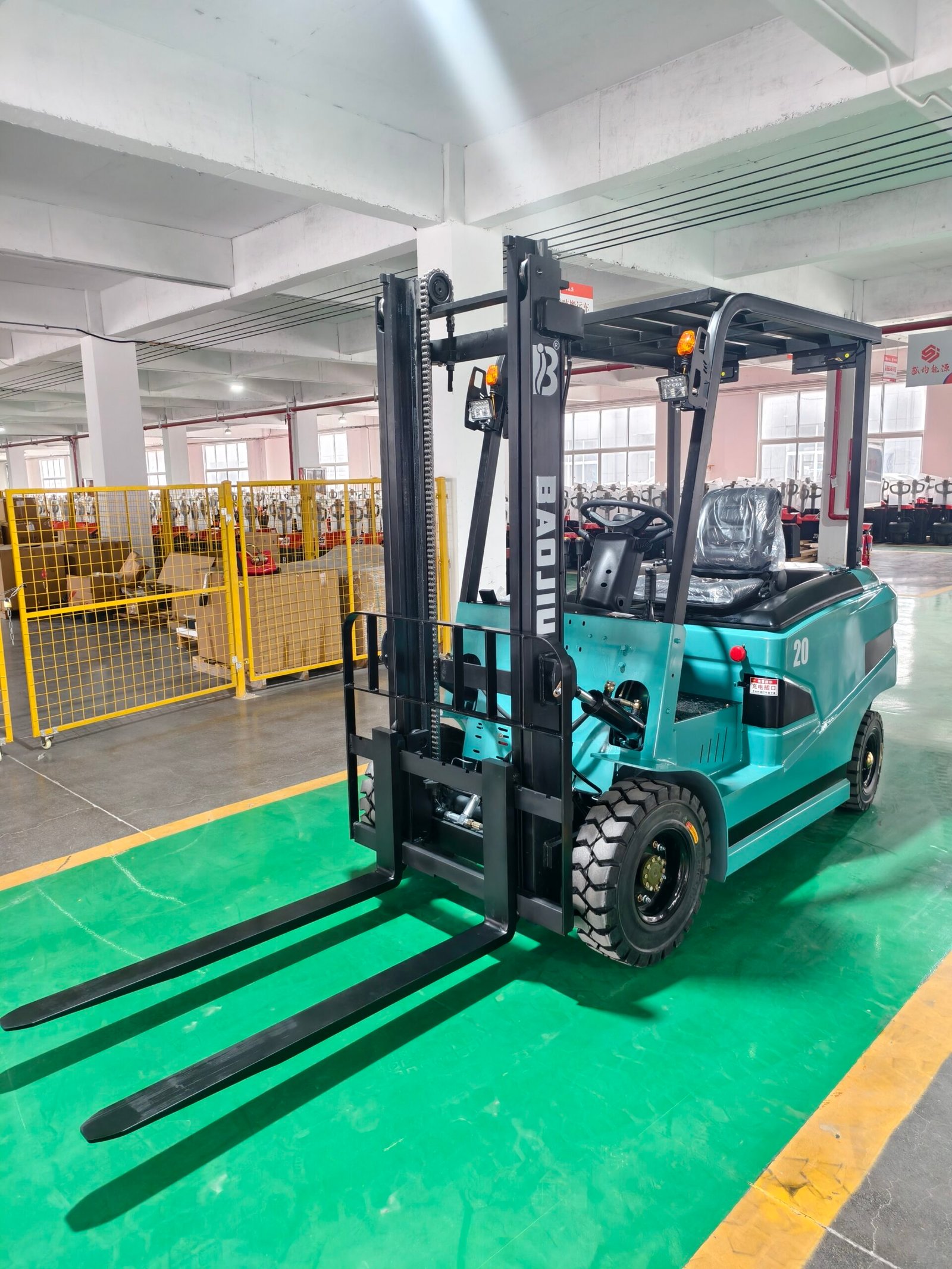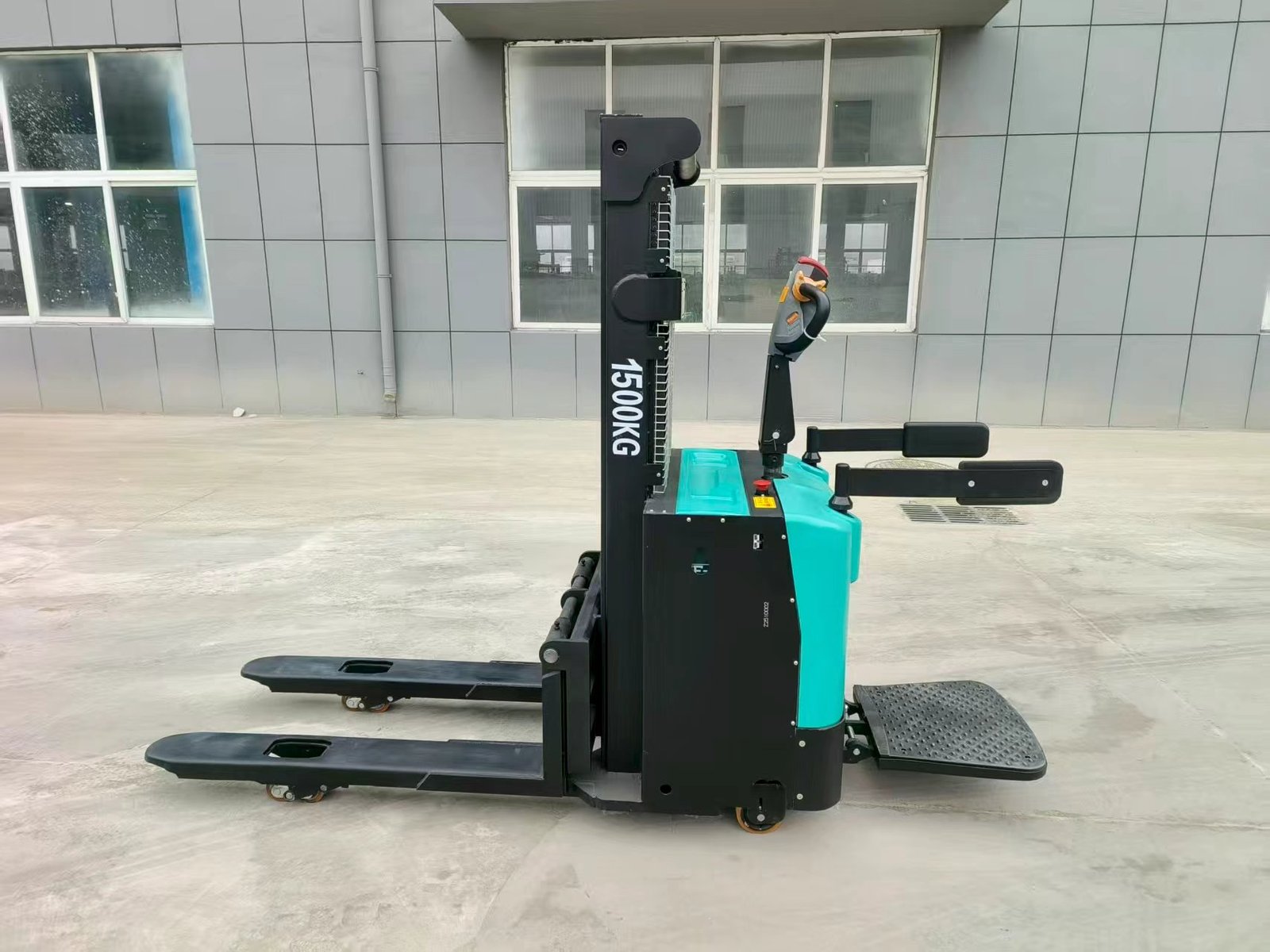
The charging time of an electric forklift mainly depends on the battery technology and the power of the charger. Below is a detailed comparison of the charging characteristics, advantages and disadvantages between traditional lead acid batteries and lithium batteries, which are the current mainstream trend.
1. Lead Acid Batteries (Traditional Batteries)
Standard Charging: It takes 8-10 hours to fully charge, and usually an additional 8-10 hours of cooling/equalization time is required afterward. Therefore, it is necessary to use two or three batteries alternately (one working, one charging, one standby) and equip a dedicated charging room.
Opportunity Charging: Short-term supplementary charging can be carried out during short shutdown periods such as lunch breaks, but it cannot fundamentally change its slow charging characteristic.
Disadvantages: Long charging time, requiring maintenance (water refilling), risks of acid mist and leakage, and low efficiency.
2. Lithium Batteries (Mainstream Trend)
Standard Charging: It usually takes 3-6 hours to fully charge, no cooling is needed, and it can be used immediately after charging.
Fast Charging: Equipped with a high-power charger, it can be charged to more than 80% within 1-2 hours.
Opportunity Charging: Very suitable for supplementary charging during any short rest period (such as a 1-hour lunch break), without worrying about the battery memory effect.
Advantages: Fast charging, maintenance-free, long service life (2-3 times that of lead-acid batteries), high energy efficiency, and safer and more environmentally friendly.
Choosing the right battery type directly affects your operational efficiency. For businesses pursuing productivity and cost-effectiveness, lithium battery electric forklifts are undoubtedly a more reliable choice.